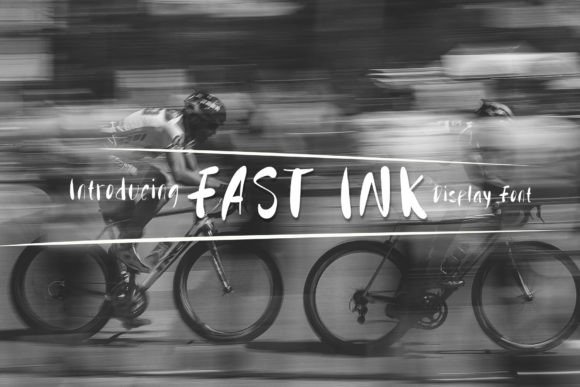
Fast Ink: A Display Font for Dynamic Digital Branding
I was in the middle of a website redesign for a small creative studio, staring at the hero section mockup. The client wanted a sense of movement and energy—something that felt instantly artistic, yet professional. The static sans serif headline I had initially placed just wasn’t delivering that spark. That’s when I decided to test Fast Ink in the layout. Dropping it into the design software, I saw the immediate transformation: the headline text seemed to race across the banner, injecting a palpable sense of creativity into the digital canvas.
The Digital Personality of Fast Ink
Fast Ink is a display font with a distinct, energetic character. Its design is inspired by speed and creative motion, and this translates beautifully on screen. The letterforms have a flowing, connected feel with a confident stroke that implies forward momentum. It’s not a delicate, cursive script; it’s a bold, dynamic statement. In terms of mood, it sits perfectly between playful and professional—ideal for brands that want to appear modern, active, and imaginative without sacrificing clarity. For web designers, this means it’s a fantastic tool for establishing an immediate emotional connection and a strong visual focal point.
Where Fast Ink Thrives in Web Design
In practical testing, Fast Ink excels in specific areas of a website’s layout where you need to grab attention and set a tone.
- Hero Section Headlines: This is its natural habitat. A short, powerful phrase like “Unlock Your Creativity” or “Build Your Brand” gains immense visual impact with Fast Ink, making the landing page feel alive from the first scroll.
- Section Titles and Callouts: Breaking up long pages with sectional headings styled with Fast Ink keeps the energy flowing. It works wonderfully for feature titles on product pages or key value propositions on service sites.
- Call-to-Action Button Text: For a primary button like “Start Your Journey” or “Get the Template,” using Fast Ink can make that action feel more inviting and exciting, though careful sizing for readability is crucial.
- Logo Text & Brand Accents: For many creative businesses, Fast Ink could serve as the core typographic element in a logo, especially for portfolios, design agencies, or coaching websites. It also works as a decorative accent in brand graphics for social media or email headers.
- Campaign Landing Pages: Any page designed for a launch, promotion, or special event benefits from a font that conveys excitement. Fast Ink’s dynamic nature can heighten the perceived value and urgency of the offer.
I’ve used it successfully in mockups for a boutique online store’s seasonal campaign banner, a course creator’s sales page headline, and a photographer’s portfolio site tagline. In each case, it elevated the design from simply functional to emotionally engaging.
Readability and Responsive Considerations
As a display font, Fast Ink’s primary use is for short, impactful text. Its readability on digital screens is generally excellent for headlines at sufficient sizes. However, a web designer must be mindful of a few key factors:
- Mobile Responsiveness: Always check how the connected letterforms render on smaller screens. You may need to slightly increase the font size on mobile breakpoints to maintain legibility and prevent the energetic strokes from becoming cramped.
- Background Contrast: This font performs best on clean, contrasting backgrounds. Over busy image banners, ensure there’s adequate padding or a subtle background overlay to keep the text sharp and readable.
- Loading Performance: If using Fast Ink as a webfont, ensure it’s served in optimized formats (like WOFF2) and consider font-display properties to avoid invisible text during loading, which can harm user experience.
It is not suitable for long body copy, navigation menu items, form labels, or any small, functional text. Using it for paragraphs would overwhelm the user and destroy the site’s scanning hierarchy. Its power lies in strategic, sparing application.
Strategic Font Pairing for a Cohesive Digital Identity
Fast Ink shines brightest when paired with a clean, neutral counterpart for all other text. For a balanced and professional web design, I consistently pair it with a simple sans serif font for body copy, UI elements, and longer sections.
For example, on a creative coaching website, Fast Ink could be used for the main headline “Design Your Future,” while a font like Inter or Open Sans would handle all the explanatory text, blog posts, and footer information. This pairing creates a clear visual hierarchy: the dynamic display font captures the brand’s spirit, and the readable sans serif provides the trustworthy, accessible foundation. For a more editorial feel, a classic serif could also work as the body font, especially for portfolio sites or blogs within the creative niche.
Practical Checks Before Implementing Fast Ink
Before integrating Fast Ink into a live website or client project, a thorough designer should verify a few technical and licensing details.
- Webfont Availability & Formats: Confirm that the font purchase or license includes web font files (typically .woff, .woff2). Not all desktop fonts are automatically licensed for web use.
- Styling Options: Check if the font family includes multiple weights (like light, regular, bold) or stylistic alternates. These can add flexibility for different heading levels or decorative touches without changing the core typeface.
- Multilingual Support: If your project or client’s audience requires special characters, verify the font’s language support range.
- Commercial License Scope: Crucially, ensure your license covers web usage. Some licenses differentiate between desktop (for print) and web (for digital projects). Using it on a website, especially for a commercial client’s online store or landing page, requires the correct commercial web license.
Fast Ink, when used correctly, is more than just a stylish typeface. It’s a design asset that can define the pace and personality of a brand’s digital presence. It tells a user, immediately, that this space is creative, energetic, and moving forward—a valuable first impression for any modern online business.